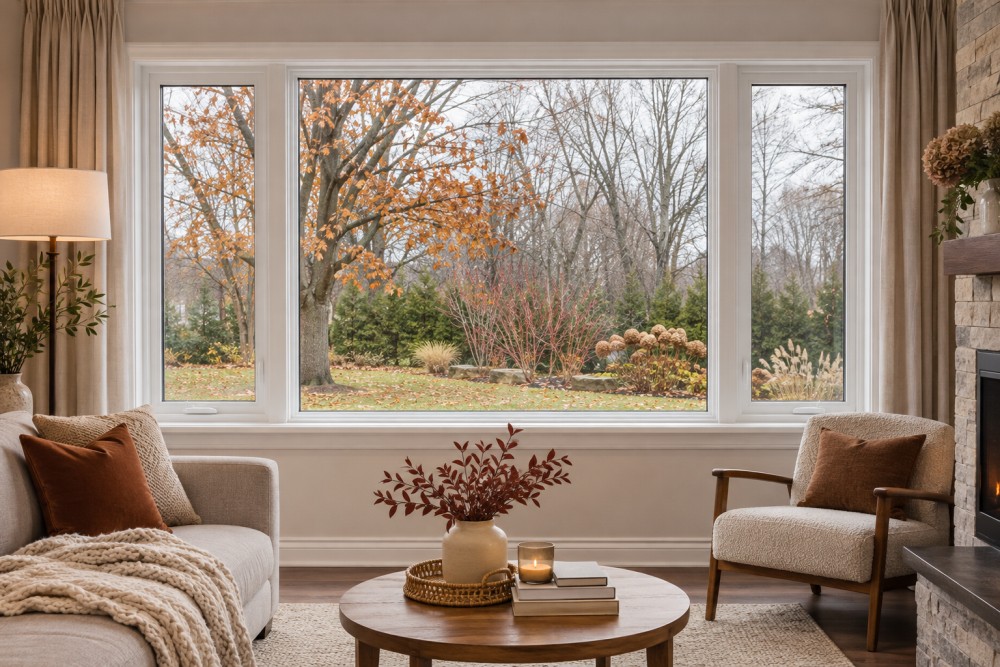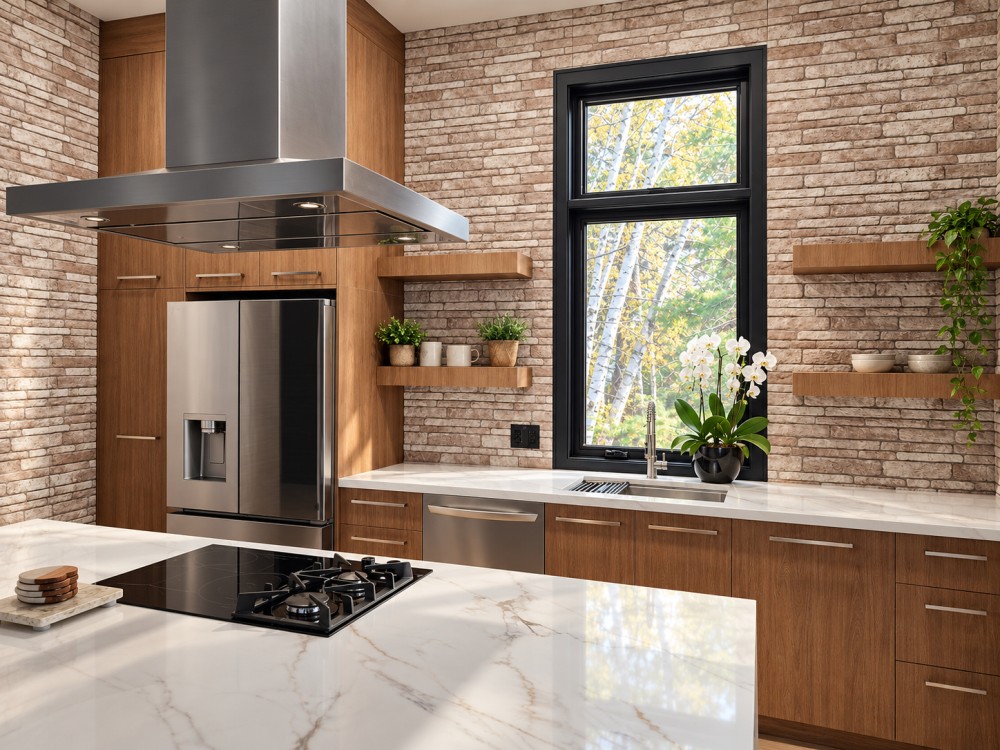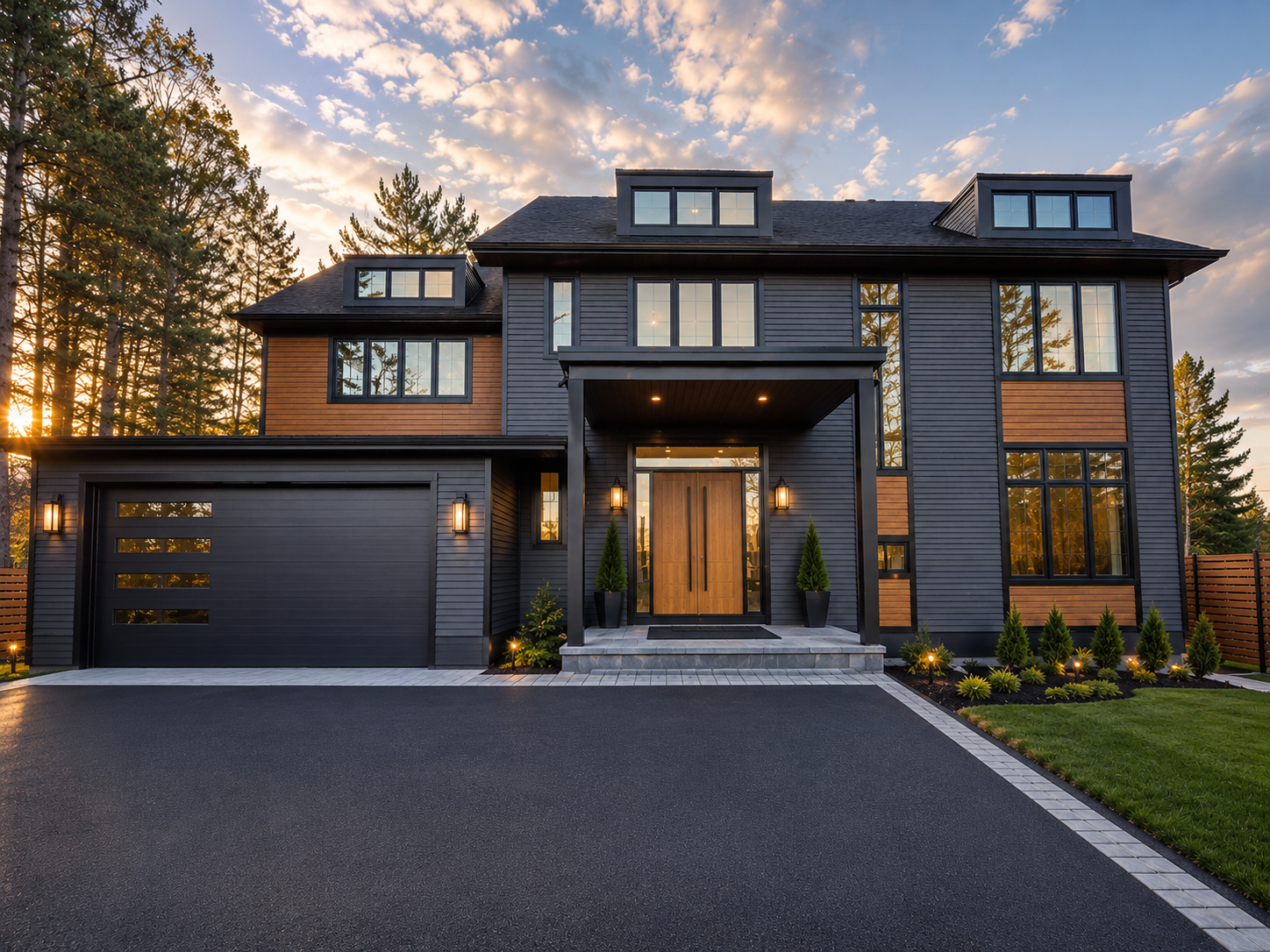
Vinyl Windows: The Smart Choice for Modern Homes
When it's time to replace your windows, the array of options can feel overwhelming. Wood, aluminum, fiberglass, and vinyl each have their advocates and drawbacks. For many Ontario homeowners, vinyl windows strike an ideal balance of performance, price, and practicality. In this guide, we’ll break down what makes vinyl windows a smart pick, compare them to other common materials, and show you how to spot high-quality products that will last for decades.
What Are Vinyl Windows?
Vinyl windows are made from polyvinyl chloride (PVC), a durable plastic that’s been used in window frames since the 1970s. Modern vinyl windows are far more sophisticated than the early versions—they’re engineered with UV stabilizers, impact modifiers, and multi-chambered designs that enhance strength and insulation.
The frame is typically hollow, with internal air pockets that reduce heat transfer. This design, combined with the inherent insulating properties of PVC, gives vinyl windows a natural edge in energy efficiency without requiring thermal breaks (unlike aluminum).
Why Homeowners Choose Vinyl
Energy Efficiency
Vinyl is a poor conductor of heat, which means it doesn’t readily transfer cold or hot air through the frame. When paired with double- or triple-pane glass and low-E coatings, vinyl windows can achieve excellent U-factors (a measure of heat transfer) and solar heat gain coefficients (SHGC). Look for windows that are ENERGY STAR® certified for your climate zone—this ensures they meet strict performance standards.
Low Maintenance
Unlike wood, vinyl never needs painting, staining, or sealing. It won’t rot, peel, or corrode. A simple wipe-down with soap and water is usually all it takes to keep the frames looking fresh. This makes vinyl especially appealing for busy homeowners or those who prefer a “set it and forget it” approach.
Durability
Quality vinyl windows resist moisture, insects, and UV fading. They won’t warp or twist in humid conditions, and they hold up well against the freeze-thaw cycles common in Ontario winters. Most reputable manufacturers back their vinyl frames with 20‑ to 25‑year warranties.
Cost-Effectiveness
Vinyl windows are generally the most affordable option on the market, especially when you factor in long‑term savings on energy bills and maintenance. While high‑end wood or fiberglass windows can cost two to three times more, mid‑range vinyl offers comparable performance for a fraction of the price.
Vinyl vs. Wood vs. Aluminum: A Quick Comparison
| Feature | Vinyl | Wood | Aluminum |
|---|---|---|---|
| Insulation | Excellent (natural) | Good (but can warp) | Poor (requires thermal break) |
| Maintenance | Very low | High (painting, sealing) | Low (but can corrode) |
| Durability | High (resists moisture) | Moderate (susceptible to rot) | High (but dents easily) |
| Cost | Low‑to‑moderate | High | Moderate |
| Aesthetics | Wide range of colors and finishes | Classic, paintable | Modern, slim profiles |
| Best For | Budget‑conscious, low‑maintenance seekers | Historic homes, custom looks | Modern, commercial‑style |
Note: This table simplifies a complex decision. Always evaluate specific products, not just material classes.
Not All Vinyl Windows Are Created Equal
Here’s where many homeowners get tripped up: the term “vinyl” covers a wide spectrum of quality. At the low end, you’ll find thin‑walled, poorly welded windows sold in big‑box stores—often marketed as “builder’s grade” or “subdivision windows.” These may save you money upfront, but they tend to:
- Warp or bow over time due to insufficient frame rigidity.
- Develop air leaks at the corners as welds fail.
- Fade or become brittle under prolonged UV exposure.
- Offer inferior soundproofing and energy performance.
Investing in a higher‑quality vinyl window pays off in comfort, longevity, and resale value. So how do you spot the difference?
What to Look for in a Quality Vinyl Window
- Frame Thickness: Look for a minimum wall thickness of 0.070 inches (70 mil) for the main structural members. Thicker frames resist warping better.
- Welded Corners: The best vinyl windows have heat‑welded corners (where the frame pieces are fused together). Avoid windows that use screws or mechanical fasteners alone—they’re more prone to leakage.
- Reinforcement: Larger windows (especially picture windows or those over 4 feet wide) should have internal reinforcement—typically aluminum or steel inserts—in the meeting rails and sashes to prevent sagging.
- Certifications: Check for certifications from the Canadian Standards Association (CSA), the Window and Door Manufacturers Association (WDMA), or ENERGY STAR®. These indicate the window has passed rigorous testing for air infiltration, water resistance, and structural strength.
- Glass Package: Even the best vinyl frame is only as good as its glass. Opt for double‑ or triple‑paned glass with low‑E coatings and argon or krypton gas fills for optimal insulation.
- Warranty: A strong warranty (20+ years on the frame, 10+ years on the glass seal) is a sign the manufacturer stands behind their product.
Key Takeaways
- Vinyl windows offer an excellent balance of energy efficiency, low maintenance, and affordability.
- Not all vinyl is equal—avoid thin‑walled, poorly welded “builder’s grade” windows.
- Look for welded corners, adequate frame thickness, internal reinforcement (for larger sizes), and reputable certifications.
- Pair a quality vinyl frame with a high‑performance glass package (double‑ or triple‑pane, low‑E, gas fill) for maximum comfort and savings.
- When in doubt, consult with a trusted window professional who can help you navigate the options and ensure a proper installation.
Ready to Explore Your Options?
If you’re considering vinyl windows for your home, start by measuring your openings and browsing styles that match your home’s aesthetic. Use our online estimator to see live pricing for different configurations—no registration required. And remember: investing in quality upfront pays off in comfort, durability, and peace of mind for years to come.