Key takeaways
- Confirm seasonal removal instructions for your exact window.
- Avoid unsafe access or forcing unfamiliar screen clips.
- Clean gently, label by opening and protect frames in storage.
Should You Remove Window Screens for Winter? Plan Safe Cleaning and Storage
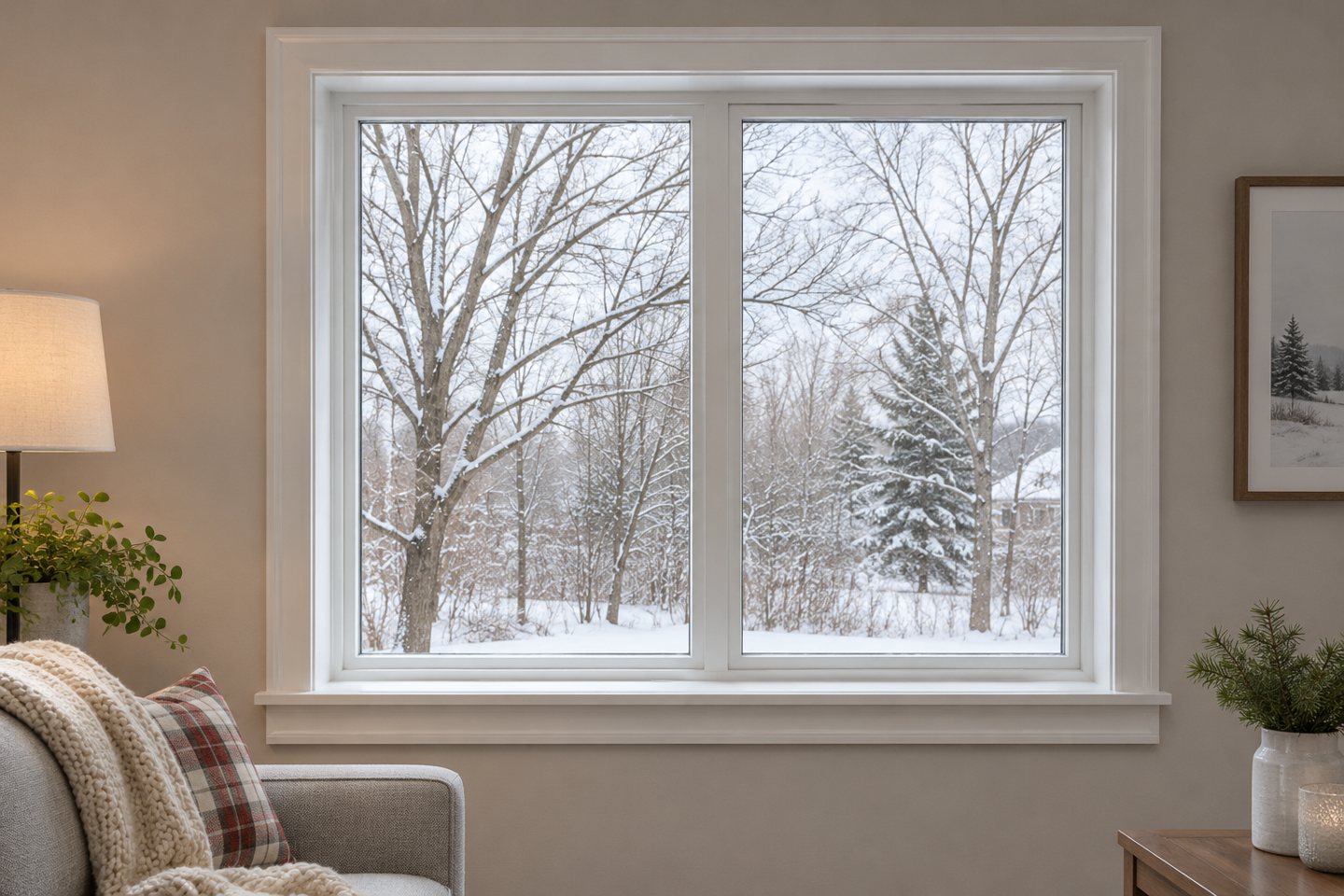
As daylight becomes scarce, a seasonal screen check can be a useful part of caring for your windows. Some removable screens can be stored for winter, while other systems or building arrangements call for a different approach.
Start with the instructions for your exact window. A general seasonal tip should never override the product’s removal method or your building’s requirements.
Decide whether removal suits the product
CMHC’s doors and windows maintenance guidance describes winter screen removal as a way to extend screen life and admit more light. Its homeowner inspection checklist also includes seasonal screen storage.
Those are general recommendations, not instructions for every mechanism. Ask the supplier whether your screens are intended for homeowner removal and whether they should be left installed in your situation.
If you rent or live in a managed building, confirm the arrangement with the landlord or property manager before changing anything.
Plan safe access first
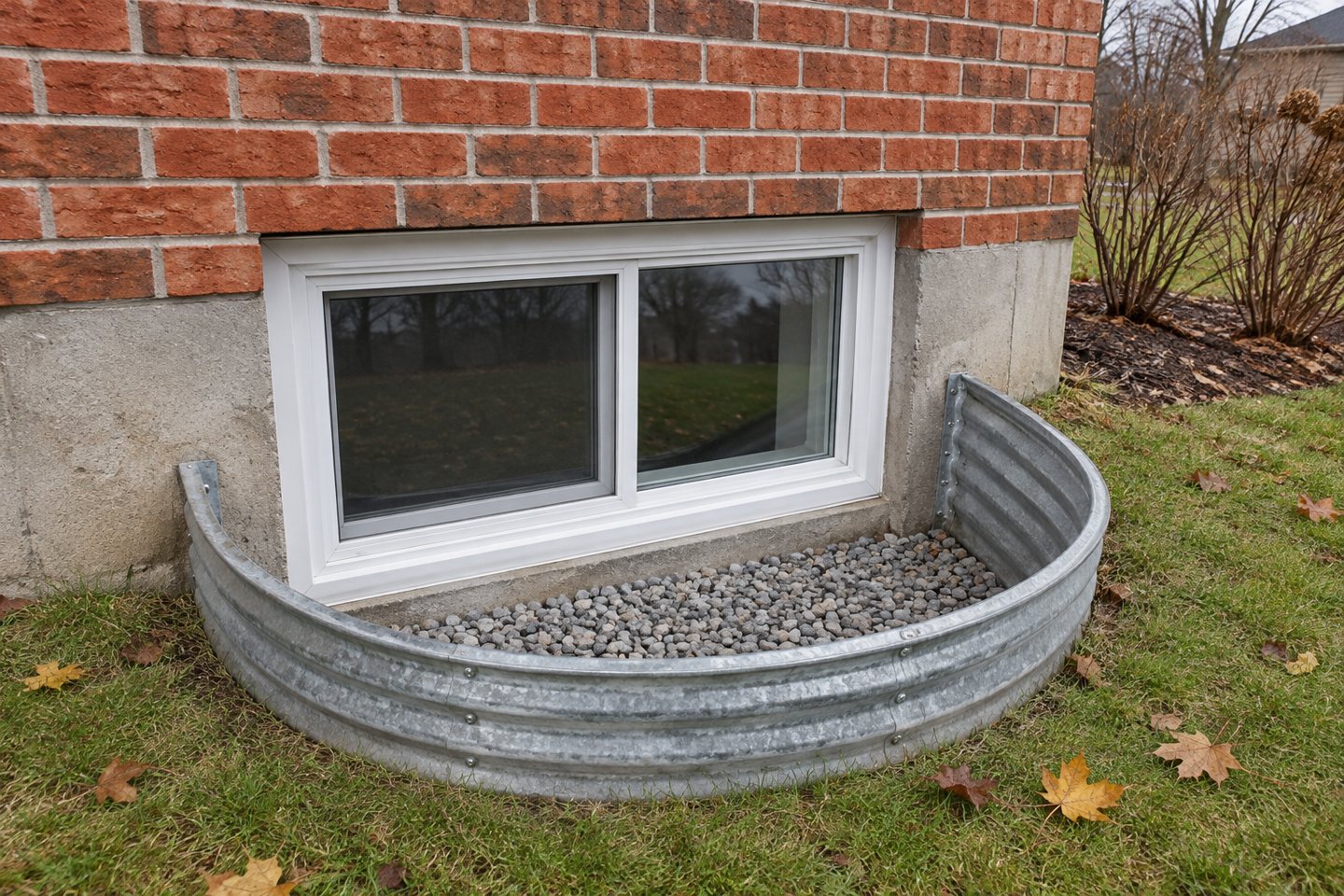
Do not lean outside or remove a sash simply to reach a screen. Ask for a demonstration if the release mechanism is unfamiliar.
A screen that resists should not be pulled harder. Clips, tabs and frame profiles vary, so request the correct procedure rather than copying a method for another window.
Keep children and pets away from an open window during the work. An insect screen is not a substitute for a fall-protection measure; never rely on it to support a person.
If safe handling is uncertain, arrange help from the supplier or an appropriate service professional.
Label before mixing screens together
Photograph each screen in place and identify its room and opening. Keep a simple list so similar-looking screens do not become a puzzle in spring.
Use a non-damaging identification method approved for the frame finish. Do not write on the mesh or apply adhesive to seals and moving parts.
Record damaged clips, bent frame areas or torn mesh separately. A photograph makes a replacement-part enquiry easier than a description such as “the small white piece.”
Clean with the approved method
Follow the screen manufacturer’s care instructions. Use gentle handling and avoid abrasive cleaning that could damage a finish or mesh.
CMHC cautions against rubbing the finish off dark mesh with abrasive cleaning. Keep cleaning tools and products compatible with the actual screen.
Allow a cleaned screen to dry before storing it. Avoid pressing hard against the mesh or resting heavy items on the frame while working.
For glass and surrounding finishes, use the separate guidance in our window-cleaning article.
Choose a protected storage position
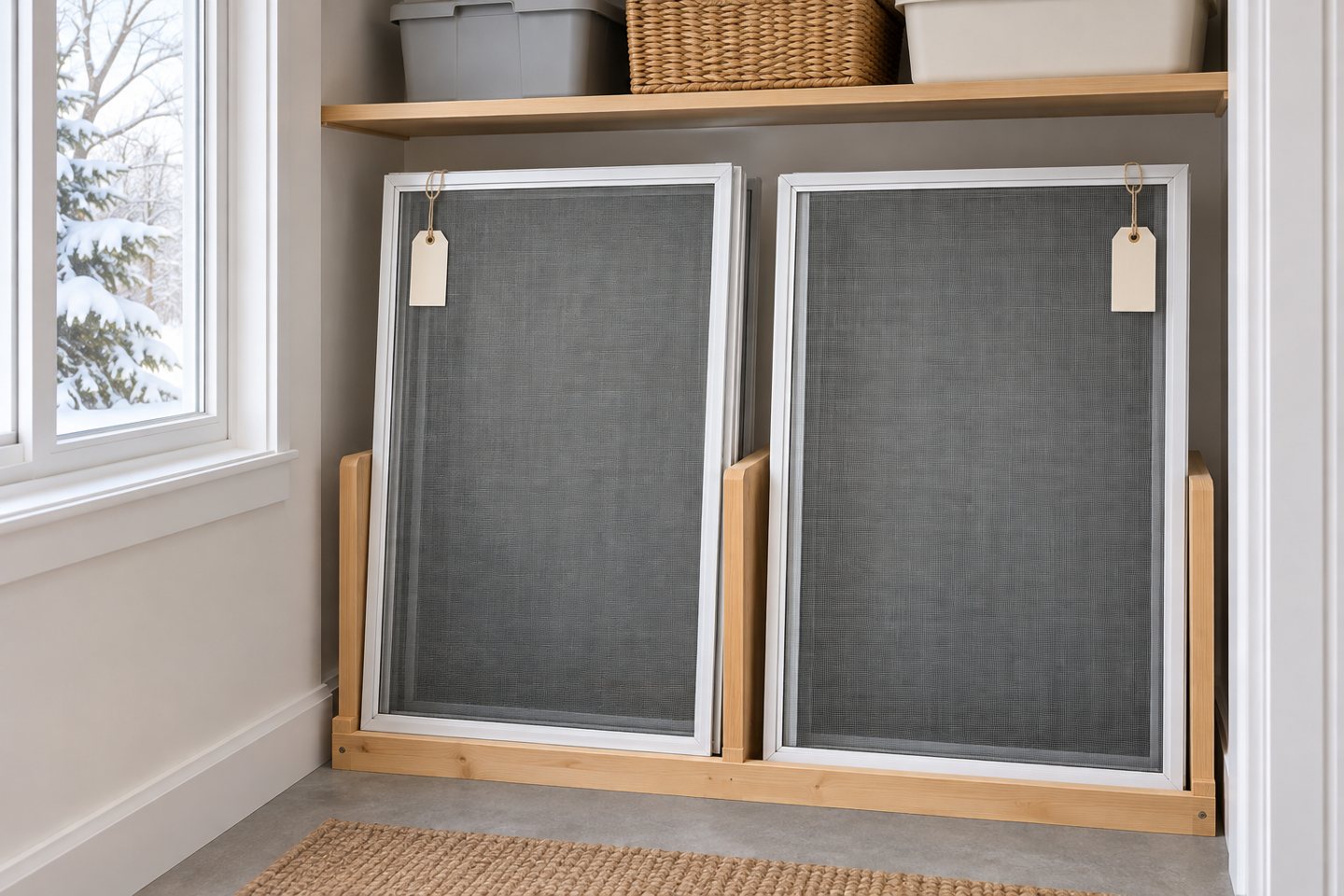
Plan storage before removing the first screen. Choose a dry location where frames will be supported and protected from accidental impacts.
Avoid a loose stack beneath boxes, garden equipment or seasonal decorations. Keep the room labels visible and retain any removable components according to the product instructions.
A designated rack or protected compartment can make spring reinstallation easier. The important point is to prevent storage from becoming the source of new damage.
Keep observing the window
Removing a screen is not a cure for every moisture or operating concern. Continue checking accessible sills and finishes during winter.
Recurring water, a window that will not close properly or haze inside the glass should be reported as a separate issue. Our condensation guide explains why the location of moisture matters.
Do not cover drainage openings or modify hardware while cleaning the surrounding area.
Make spring reinstallation part of the plan
Before reinstalling, check the frame, mesh and retaining components. Match the screen to its recorded opening and follow the approved installation sequence.
Ask for assistance if it no longer fits or cannot be retained as intended. Do not bend a frame or improvise a fastening to make it stay.
For an Alpha Windows order, share your order reference, room label and photographs when requesting guidance or compatible parts.
A careful seasonal routine protects the screen through removal, storage and return—not just through the cold months.