Key takeaways
- Check window wells for debris and pooling water before snow makes inspection harder.
- Treat recurring water as a drainage concern rather than assuming new windows will solve it.
- Confirm emergency-exit requirements before fitting a window well cover.
Basement Window Wells Before Winter: A Practical Drainage Checklist
A basement window well can be easy to overlook until it fills with leaves—or water. Before snow settles in, a short inspection helps you spot maintenance and drainage questions while the area is still visible.
The goal is to keep water from building up against the opening. New basement windows deserve a drainage plan around them, just as existing windows do.
Understand the well’s role
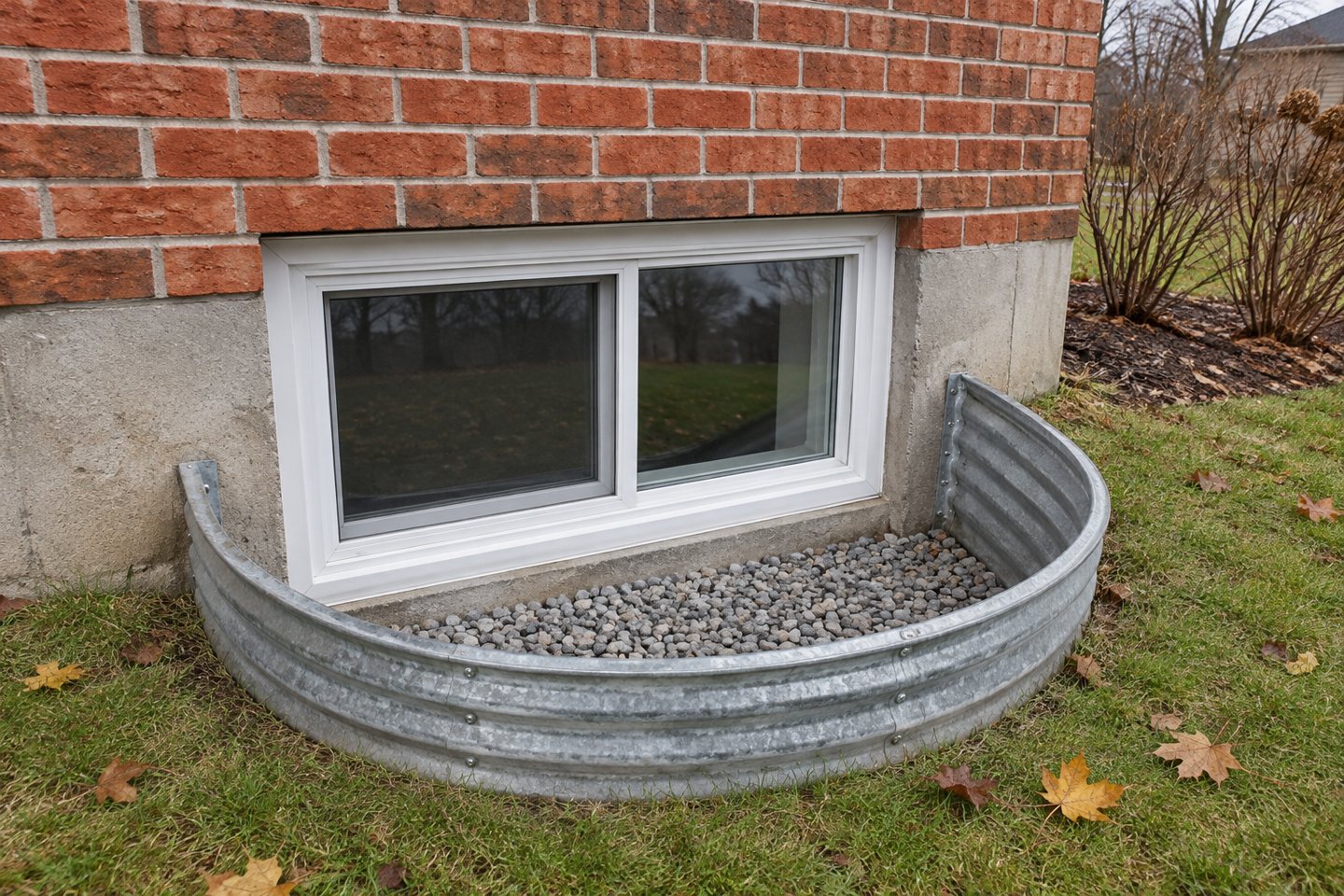
A window well creates space around a basement window below the surrounding ground. The well, its drainage arrangements and the window work together, but they are different components.
Public Safety Canada’s basement window maintenance guide explains that low-lying wells can collect rain, ice and snow. Windows are not intended to hold back accumulated water.
Do not assume a well has a functioning drain simply because gravel is visible. If its drainage arrangement is unknown, ask a suitable contractor to assess it.
Start with a safe visual check
Inspect from a stable position in daylight. Avoid stepping into a deep well or leaning over an unstable edge.
Look for:
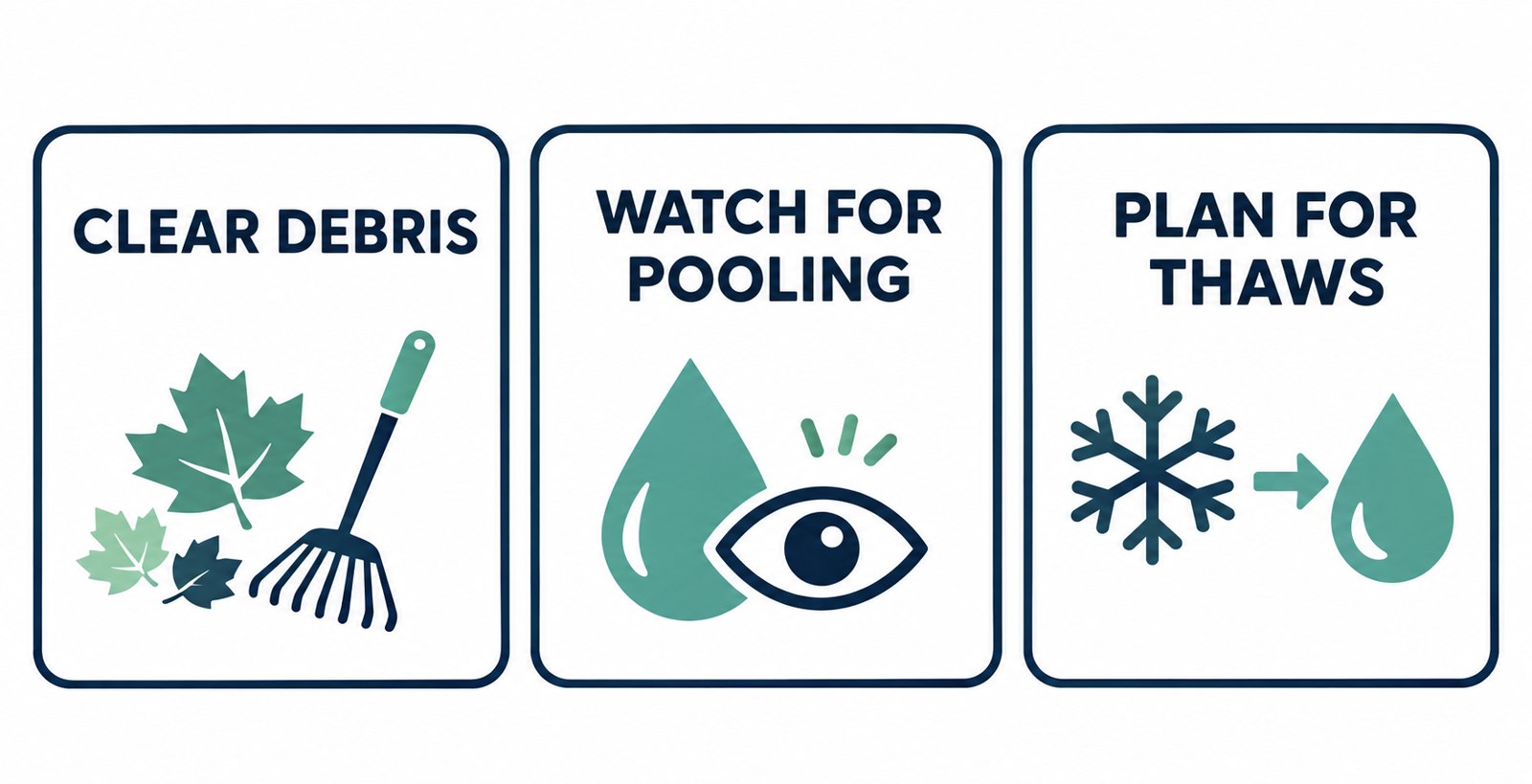
- Leaves, twigs and fine debris on the surface.
- Water pooling after rain.
- Soil or landscaping spilling into the well.
- A loose, damaged or displaced well wall.
- Staining or damp finishes inside near the window.
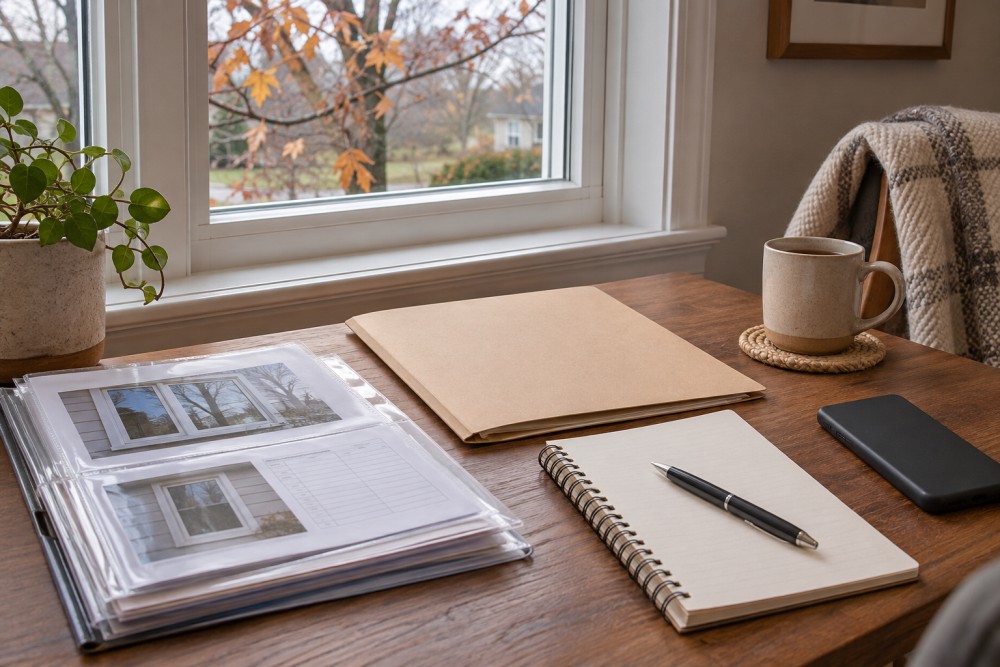
Photograph the area and note the weather. A dry-day photograph and another after rainfall can help explain an intermittent problem.
If access is awkward or the edge looks unstable, arrange help rather than climbing in to investigate.
Remove accessible debris gently
Clear loose leaves and sticks where you can reach safely, using gloves and an appropriate small tool. Follow the well or cover manufacturer’s maintenance instructions where available.
Do not drive a tool into an unfamiliar opening, excavate around the foundation or disturb a drainage connection as routine cleaning. Ask a contractor to identify the system before more involved work.
Set a reminder to look again after the last leaves fall. A well that was clear in early autumn may need attention before winter.
Treat recurring pooling as a reason to investigate
Record whether water appears after a short shower, prolonged rain or a thaw. Note nearby runoff and any simultaneous dampness indoors.
Ask a drainage professional to assess the cause if water repeatedly collects. Depending on the property, the conversation may include the well’s drainage connection, nearby ground levels and where roof runoff is discharged.
Avoid covering the problem with more gravel or treating extra caulk as a complete drainage solution. Have the relevant window and building details assessed before choosing a repair.
Watch snow storage and thaw conditions
Plan where cleared snow will go before the first substantial snowfall. Avoid using the well as a convenient place to pile snow.
The federal snow and ice guidance recommends monitoring accumulation around the home and in window wells, particularly when warmer conditions or rain can produce meltwater.
Use a method that protects the glass, frame and well. Do not strike ice beside the window or force a frozen component. Ask for help if safe removal is uncertain.
Choose a cover with the whole opening in mind
A suitable cover can reduce debris entering a well, but it does not remove the need to inspect or maintain drainage.
Before buying, ask about fit, attachment, maintenance access and compatibility with the existing well. Follow the manufacturer’s instructions and have damaged or unsuitable components assessed.
If the window forms part of an emergency escape route, confirm the applicable requirements with the local building department before selecting a cover. Do not add a cover or fastening that obstructs its intended use.
Public Safety Canada specifically flags the need to review emergency-exit requirements when installing well covers. Our Ontario egress-window overview provides background for the planning conversation; the actual project still needs current local confirmation.
Check indoors as well
Look at the sill, trim and nearby wall after wet weather. Record the location and timing of staining or water rather than assuming every damp area is caused by indoor humidity.
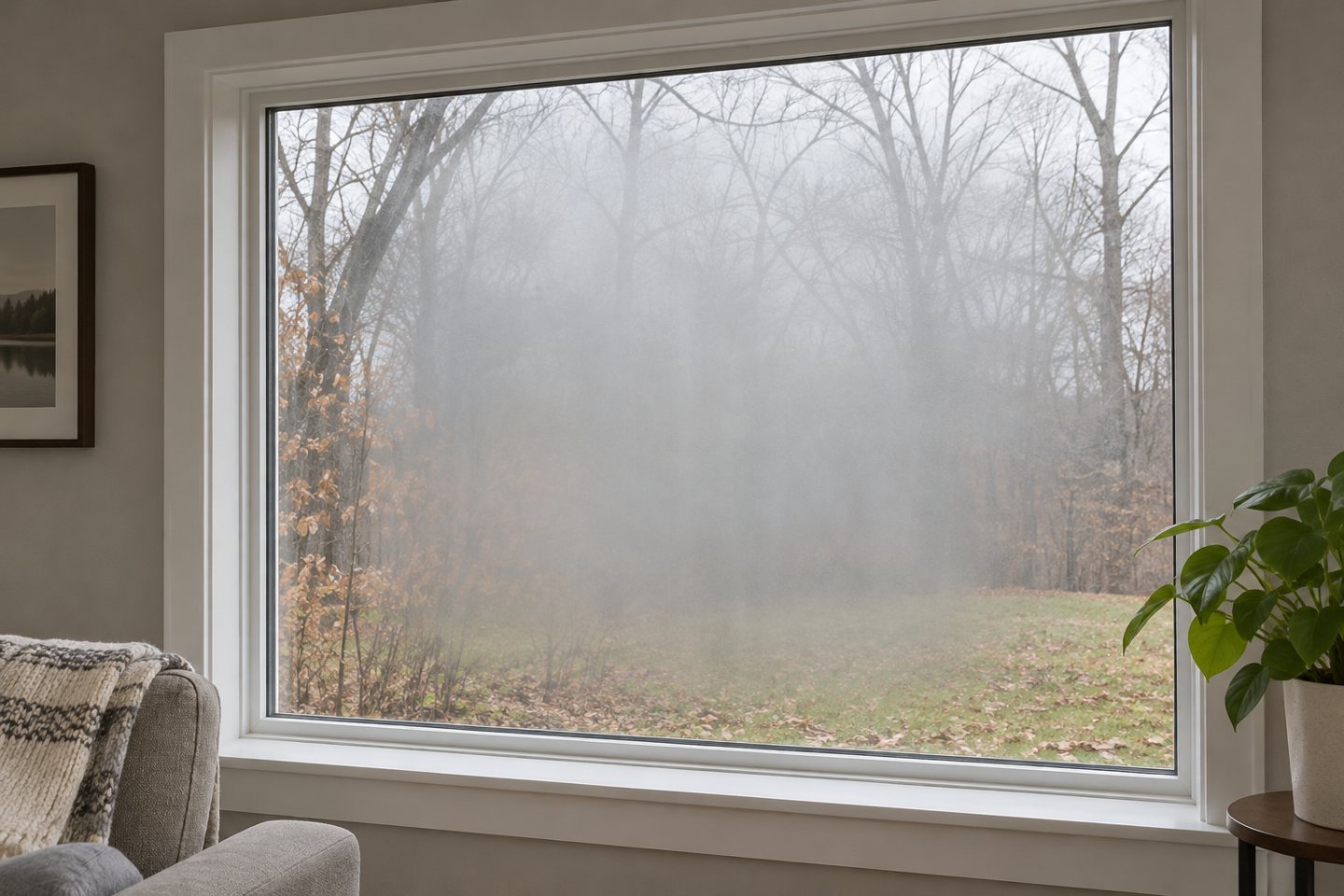
Surface condensation, water entry and moisture trapped between glass panes are different concerns. Describe each separately when requesting service.
If there is active water entry, report it promptly and arrange an assessment. Do not wait for the next seasonal checklist.
Keep a short winter record
| Record | Why it helps |
|---|---|
| Photos before and after rain | Shows when the concern occurs |
| Debris-clearing date | Establishes recent maintenance |
| Pooling or thaw observations | Helps explain drainage behaviour |
| Well and cover details | Supports compatible service |
| Indoor staining or dampness | Connects exterior observations with the room |
Keep the notes with your home-maintenance records and share them with the person assessing the issue.
Replacing basement windows? Discuss the surroundings
Tell the Alpha Windows team about recurring pooling, an existing cover or concerns around the opening before the replacement scope is finalised.
Ask which window-related work is included and which drainage or foundation work needs a separate contractor. A clear division of responsibilities makes it easier to coordinate the project.
For the rest of your seasonal routine, see our fall window maintenance checklist. If replacement is appropriate, explore an initial layout through the Alpha Windows estimator, then confirm measurements and the full site scope with the team.